A PATERSON service club has received almost $10,000 to capture shared local history and bring it to life, thanks to the Australia Post 2026 Community Grants program.
The funding went to Paterson Rotary Club in support of a project that organisers believe will enhance mental wellbeing and build resilience in disaster-impacted communities.

‘The Famous Paterson River Orange Project’ will be driven by Paterson Community Builders, an initiative of the service club.
At the centre of the project is the creation of a large-scale orange sculpture, and a celebration of ‘All Things Orange’, which will be held in 2027.
“The Paterson River Valley itself has been described by [identity and historian] Dr Cameron Archer as ‘the Hunter’s Magic Valley’, for the way it has constantly provided for its inhabitants, based on Norman Lindsay’s imagery of ‘The Magic Pudding’,” said Paterson Community Builders’ Julie Overton.
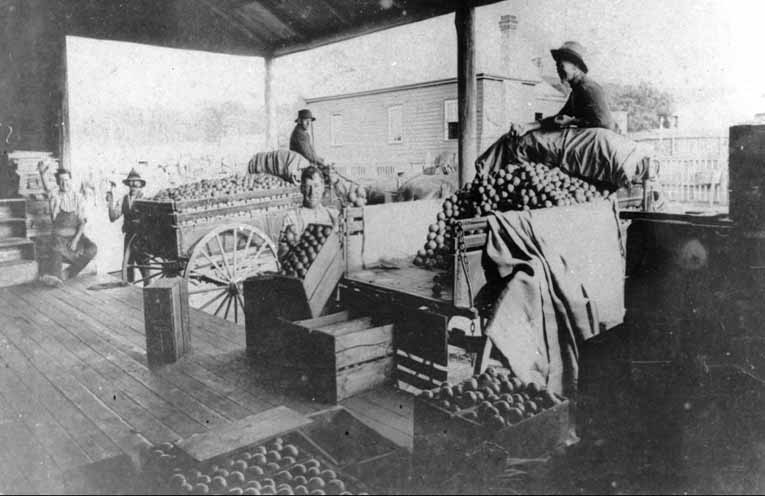
The Famous Paterson River Orange initiative is built around the legacy of the Paterson River Orange, a distinctly sweet, seeded, thorned citrus variety that once thrived as a massive signature crop across the local river valleys.
According to the Slow Food Movement’s Ark of Taste, Paterson River Oranges are grown only in the Paterson area of the Hunter Valley, NSW.
Thought to have originated in China, India or South Africa, the tree was first cultivated unsuccessfully in the Parramatta region of NSW.
It was not until the 1820s that production moved north and the trees flourished in the rich alluvial river flat soil surrounding the Paterson River.
The trees were often grown on small dairy farms where the farmers could supplement their income by producing oranges, while still tending their cattle.
The fruit would be transported to the town of Paterson, where it was either sold at the local market, or to the local packaging shed.
After the construction of a railway line in 1911, it was easily transported to Sydney and other towns around NSW.
The oranges remained a signature crop of the area until after World War ll when new thornless varieties of orange became more popular with consumers, and farmers turned back to milk production.
Today, one tree remains at the Paterson Museum.
Its fruit is sold at a local shop, and seeds have been taken to private properties for home orchards.
Overton says the project will strengthen place-making within Paterson, encourage locals to celebrate their community’s identity, and foster greater local pride, belonging and connection.
“With the support of Paterson Rotary, the Famous Paterson River Orange project will reconnect the community,” she said.
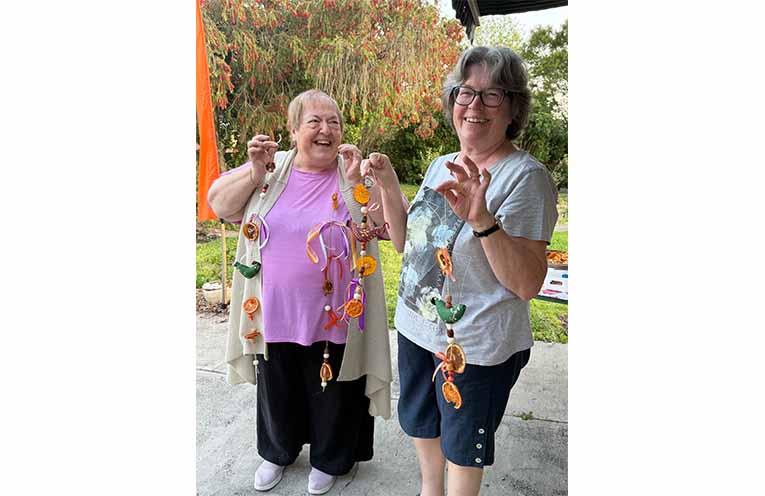
“It will share that heritage by sharing old photographs, telling family stories, and creating orange-inspired art and crafts celebrating the citrus industry that helped shape the Paterson Valley.”
The continued production of the Paterson River Orange is important in maintaining local biodiversity and cultural heritage.
More than 60 participants of all ages will take part in six sketching workshops to contribute family stories, photographs and memories to contribute to a community exhibition celebrating Paterson’s unique orange-growing heritage.
By Eve NESMITH