WITH parts of the region experiencing dry conditions, patchy rainfall and the likelihood of more hot weather still to come, Hunter Local Land Services says planning ahead for pastures and livestock has never been more important.
Across the region, producers are reporting tightening feed availability, uneven pasture growth and declining soil moisture reserves following a run of warm conditions and inconsistent rainfall.
In some areas, summer pasture responses have been short-lived, placing additional pressure on feed budgeting and grazing management decisions as producers look ahead to autumn.
To support landholders, HLLS is offering seasonal updates, dry time planning resources and upcoming agriculture events focused on pasture management, livestock nutrition and risk mitigation strategies.
These activities are designed to provide practical, locally relevant advice to help producers prepare early and respond confidently to changing seasonal conditions.
HLLS is also advising farmers to utilise the Farming Forecaster program, which aims to provide practical, predictive information on weather, soil moisture and pasture production to support informed grazing and feed management decisions.
Monitoring sites in the Hunter are incorporated into a wider national network of soil moisture probes and weather stations across Australia.
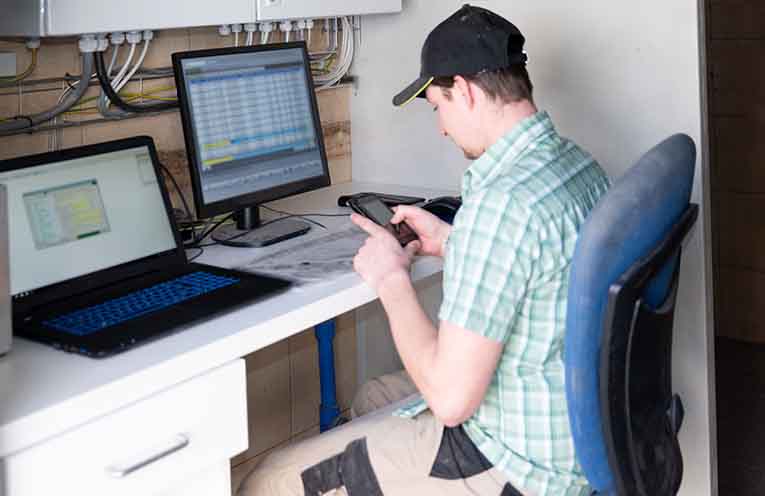
The program operates by collecting real-time data from soil moisture probes and on-farm weather stations.
This data is transformed into clear, user-friendly information that is readily available online, allowing producers to track local conditions and trends as the season unfolds.
Teresa Hogan, Livestock Officer with HLLS, said with seasonal conditions across the Hunter remaining variable, tools like Farming Forecaster give producers a clearer picture of what’s happening in their paddocks now and what may be coming.
“By combining local weather data, soil moisture information and pasture growth forecasts, producers can make more informed decisions around stocking rates, supplementary feeding and planning for autumn and winter.
“Having access to this type of information helps graziers manage risk, respond earlier to changing conditions and make the most of any rainfall that does arrive.”
The pasture forecast tool uses validated modelling and historic data that incorporates site-specific data along with information from CSIRO and the Bureau of Meteorology.
It provides forecast pasture growth rates (kgDM/ha/day) and production estimates (tDM/ha), along with an indication of the likely range in pasture availability over the next three to four months.