CONCERNS have been raised about where to accommodate construction workers if a major renewable energy project goes ahead.
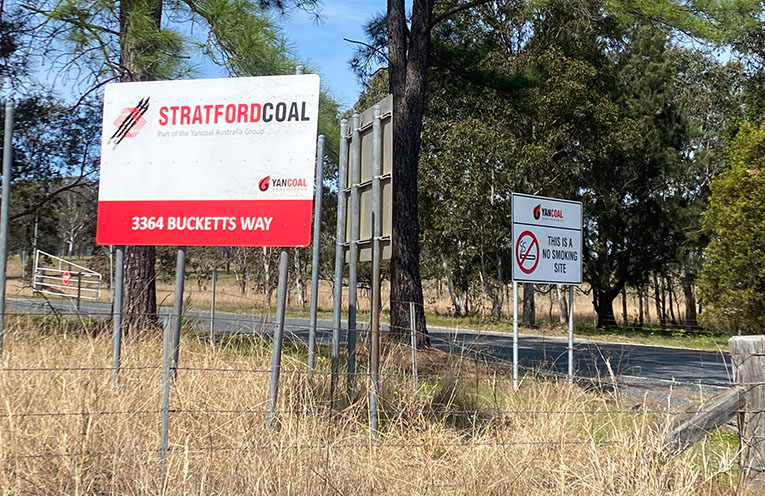
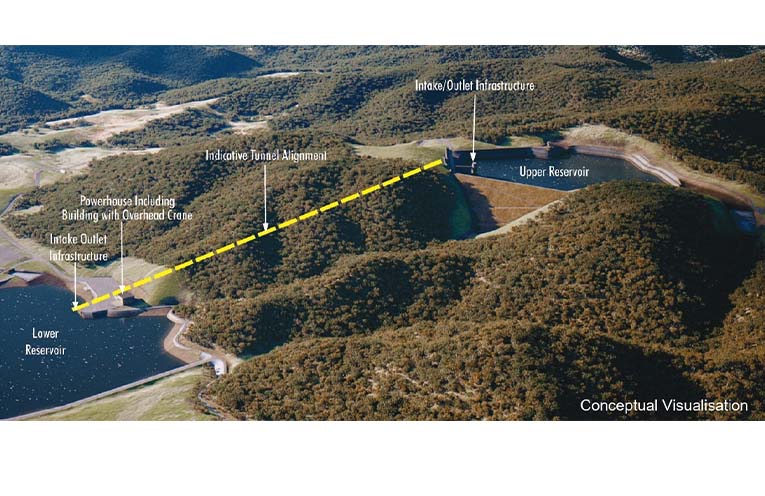
As reported by NOTA (2/10/2024), the Stratford Coal Mine has come to the end of its useful life and owners Yancoal have lodged an application with the NSW Department of Planning seeking to convert the site into a solar/pumped hydro renewable energy hub.

Yancoal’s application indicated that 350 workers would be employed during the construction phase of the project, but the company has provided no details about whether the workers would live in or around Gloucester, and if so, where they would be accommodated.
No decision concerning the approval of the project has yet been made by the government, although Yancoal expects a final decision within the next few months.
NOTA sought details from Yancoal concerning its plans to accommodate the 350 workers during the construction phase, but none were provided.
“As mentioned in the project’s Environmental Impact Statement (EIS), if the Stratford Renewable Energy Hub project proceeds (pending government approvals and Yancoal Board feasibility and financial assessments) a Construction Workforce Accommodation Strategy would be developed in consultation with relevant stakeholders,” said a Yancoal spokesperson.
Local town planner Tibor Kovats thinks it is unsatisfactory that accommodation details are not provided as part of the approvals process, because of the potentially significant impact on the town.
“The glib recommendation for a Construction Workforce Accommodation Strategy only means this matter is being deferred for consideration when it should be more thoroughly addressed at the assessment phase,” said Mr Kovats.
“There isn’t even an outline of what the Strategy should contain, so it is anybody’s guess as to what measures it will contain, and what roles and responsibilities and costs are involved.
“Yancoal is a significant and experienced builder of mines and associated infrastructure in a variety of geographies in Australia and it should be able to give a fairly accurate prediction of the construction workforce needed for the project, and if workers will reside in the Gloucester District, commute within the Region or ‘fly-in, fly-out’ from outside the region.
“Prior to a recommendation or decision on the project, the Department should engage an independent socio-economic study which provides substantive content to the proposed Construction Worker Accommodation Strategy and a Community Enhancement Plan that details measures to provide the health, education and other social services that the Construction Workers (and their families) will require locally.”
Peter Markey from McGrath Real Estate Gloucester, which manages many rental properties, is also concerned about the impact on the town.
“Rental accommodation in and around Gloucester is at capacity at the moment,” said Mr Markey.
“There are more people looking to rent than available properties, now and for the foreseeable future.
“An influx of workers wanting accommodation will increase rental rates and could displace many locals already renting.
“I would also be concerned that if all the motels were booked out by the workers for the three or four years of construction, it would have a significant impact on tourism when word got around, as it would, that everything was booked out, and that impact would likely last for a long time.”
Trudy Schultz from Accommodation Gloucester sees the need for community consultation.
“Gloucester’s short-stay accommodation and motels are already limited, particularly during peak tourism periods and any additional pressure from proposed projects has the potential to reduce visitor capacity, which is a valid concern for a town where tourism plays a vital role in supporting local businesses,” said Ms Schultz.
“At the same time, Gloucester has a long history of adapting and making the most of opportunities that come its way and we, as a town, have demonstrated time and again that it can manage change responsibly – particularly when the community is informed, consulted and part of the conversation.”
By John WATTS