WITH temperatures high and visitors flocking to the region’s stunning beaches, rivers, and waterholes, the National Parks and Wildlife Service (NPWS) is urging everyone to stay vigilant and safe.
National parks offer countless opportunities for swimming, fishing, paddling, and boating, however they are natural environments that can be unpredictable and pose serious risks if safety precautions are ignored.

NPWS Executive Director Naomi Stephens said, “spectacular beaches and waterways in NSW national parks may look like idyllic places for a summer swim, but dangers can lurk beneath the surface.”
“Watch out for hidden hazards including rip currents, cold water, rocks, submerged objects and sudden drop-offs.
“We want everyone to enjoy their national park visit and get home safely to loved ones.”
Most beaches, creeks, rivers, and lakes are remote and do not have lifeguards.
Mobile phone service may be limited, which means visitors in trouble can’t call for help.
The safest place to swim is always at a patrolled beach between the red and yellow flags.
These can be found on beachsafe.org.au.
Stop, Look, Stay Alive
Visitors are urged to plan ahead and follow these essential safety tips:
— Take responsibility for your own safety.
— Avoid unpatrolled beaches and always swim between the red and yellow flags at patrolled beaches.
— Check for rips and hazards before entering the water. If in doubt, do not go in.
— When rock fishing, always wear a life jacket, check tides and weather, do not turn your back on the sea and never fish alone.
— Tell someone your plans and expected return time.
— Check conditions as water levels can rise suddenly after rain or dam releases.
— Beware of fast currents and submerged hazards.
— Enter slowly. Never dive headfirst or jump from heights. Riverbeds can change quickly.
— Never swim alone: Always have someone nearby who can help in an emergency.
— Avoid alcohol and drugs around water. These impair judgment and increase drowning risk.
— Cold water alert: Even in summer, inland waters can cause hypothermia.
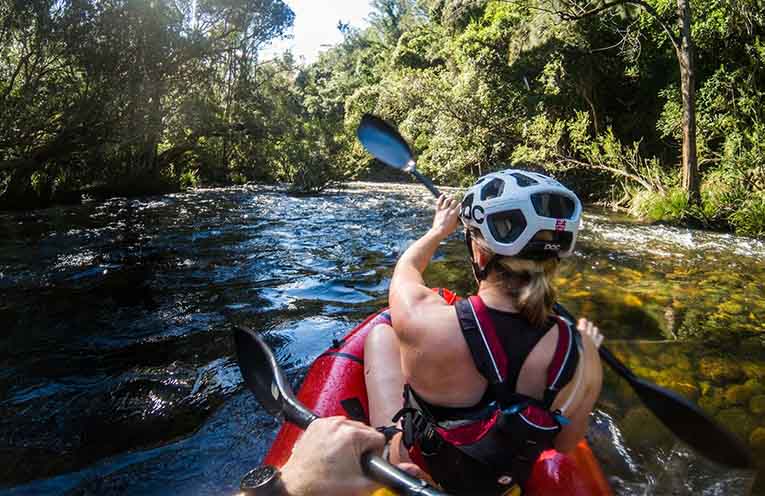
— When boating and paddling, wear an approved life jacket at all times.
— Check weather forecasts and park alerts before heading out.